
Let me paint a picture for you. You’re standing in Shanghai Hongqiao Station. Signs are everywhere, but they’re all in Chinese characters you can’t read. The departure board is flipping through destinations you’ve barely heard of. You know exactly which train you want—you just have no idea how to actually get on it.
I’ve been there. The first time I tried to book a Chinese train ticket, I walked up to the ticket window, mumbled something in broken Mandarin, and received a look of pure confusion in return. Not my finest moment.
The good news? It’s actually not hard at all once you know the steps. By the time you finish reading this, you’ll know exactly how to get your ticket—probably without talking to a single human being. Let’s walk through this together.
Four Ways to Buy Your Ticket (And Which One You Should Actually Use)
There are four ways to buy a high-speed train ticket in China with a foreign passport. I’ll cover all of them, but here’s the short version: use the 12306 English app. It’s free, it’s official, and it works. The other three methods are your backup plans.
Method 1: 12306 English App (This Is the One You Want)
12306 is China’s official railway app. For a long time, the English version was clunky and frustrating. In 2026, it’s genuinely usable. Not quite as polished as the apps you’re used to back home, but it gets the job done.
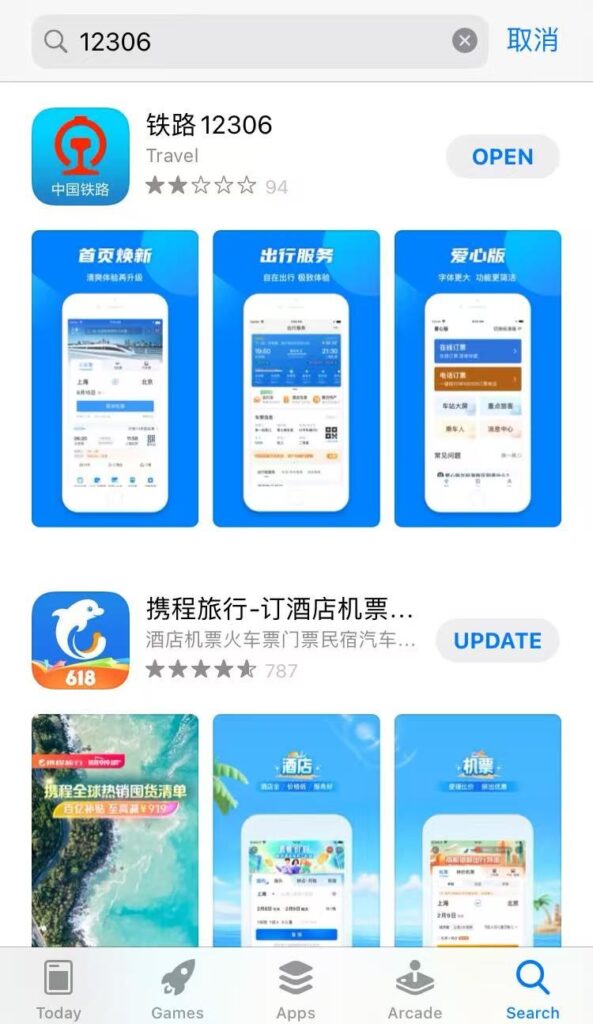
Step 1: Download the Right App
Search “12306” in your app store. You’ll see a few options. Look for the one with the blue logo and the English label “Railway 12306.” Download that one. Not the Chinese-only version, not some third-party knockoff.
If you can’t find it in your app store, go directly to 12306.cn in your phone browser. There’s a download link right on the homepage.
Step 2: Register with Your Passport
Open the app and tap “Sign Up.” Here’s what you’ll need:
- Your passport. Have it in your hand. You’ll need to type in your passport number exactly as it appears, including any letters.
- A valid email address. This is where your booking confirmation will go.
- A phone number. Your international number works fine. Just select your country code from the dropdown.
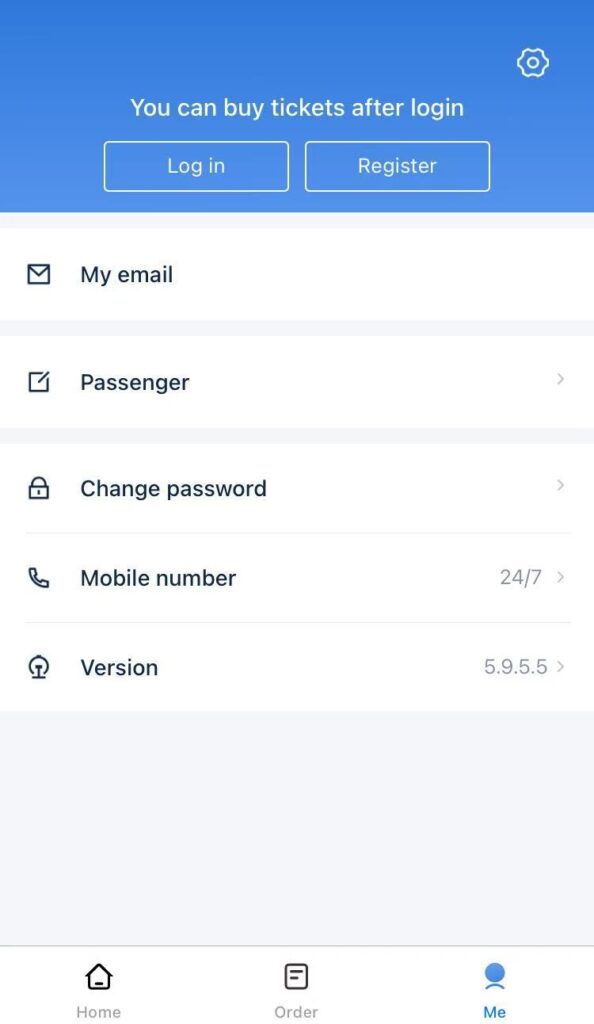
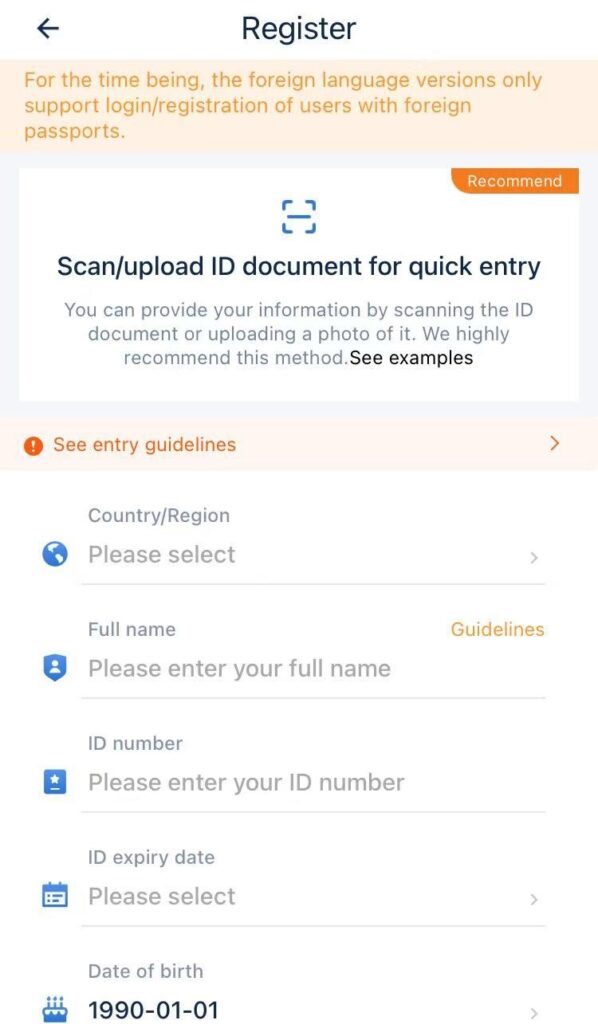
The app will send a verification code to your email. Type it in, set a password, and you’re registered. This takes maybe three minutes total.
One thing that trips people up: the name field. Enter your name exactly as it appears on your passport. If your passport says “JAMES ROBERT SMITH,” type it exactly like that—all caps, same spacing. Don’t put “James Smith” or the system might not match your ID at the station.
Step 3: Add Passengers
Before you search for trains, you’ll want to add passenger information. Tap “Passengers” and enter the details for yourself and anyone traveling with you.
A quick note: if you’re traveling with a friend who also has a foreign passport, add them here too. That way you can buy both tickets in one transaction and you’ll be seated together.
Step 4: Search for Your Train
Now the fun part. Enter your departure city, destination, and travel date. Hit search.
You’ll see a list of trains. Here’s how to read what you’re looking at:
- G trains — These are the fastest high-speed trains. You want these. They hit about 300–350 km/h.
- D trains — Also high-speed, but slightly slower. Still perfectly comfortable.
- K and T trains — These are regular trains. Avoid them unless you have a specific reason. They’re much slower.
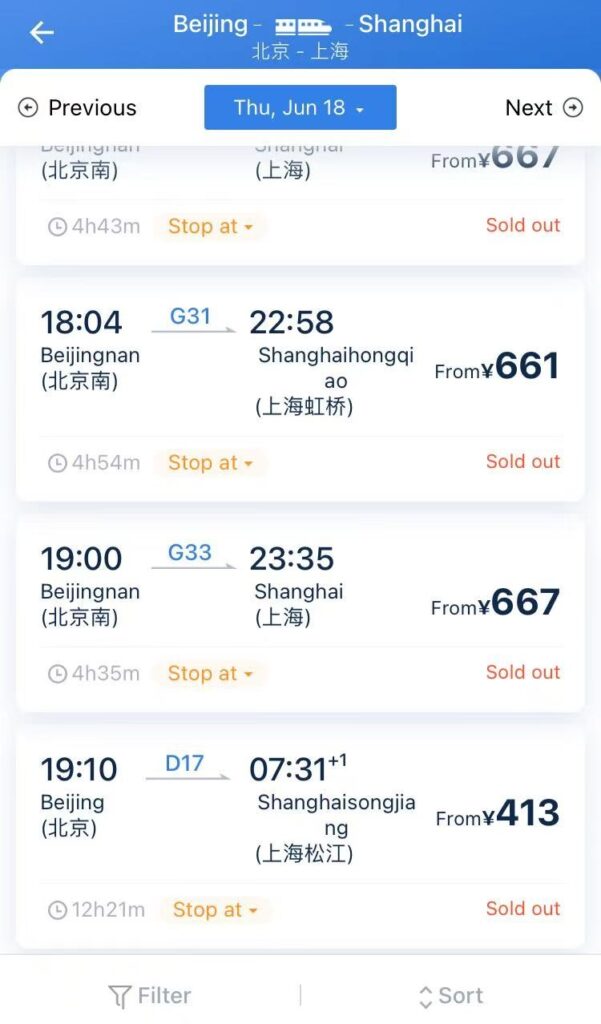
Tap a train you’re interested in. You’ll see the different seat classes.
Step 5: Choose Your Seat Class
Chinese high-speed trains have three main classes:
| Class | What to Expect | Price Reference |
|---|---|---|
| Second Class | Comfortable, 5 seats across (3+2). Power outlets under your seat. Totally fine for trips under 5 hours. | Cheapest option |
| First Class | Wider seats, 4 across (2+2). More legroom, quieter car. Worth it for longer trips. | About 1.5x second class |
| Business Class | Fully reclining lie-flat seats, 3 across (2+1). Complimentary snacks and drinks. Feels like a first-class flight cabin. | About 3x second class |
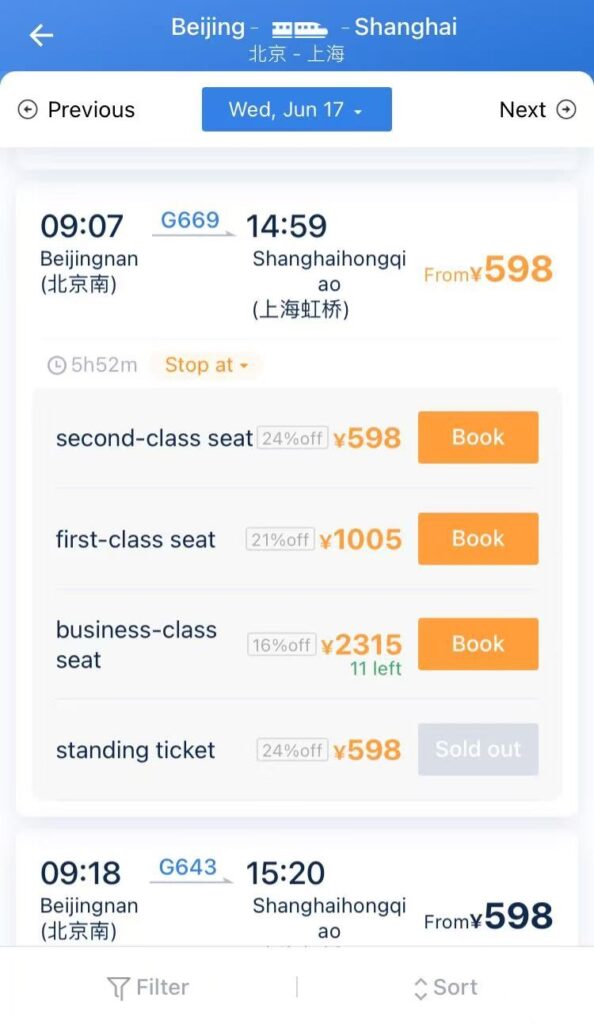
For most travelers, Second Class is perfectly good. The seats are comparable to premium economy on a decent airline. I usually book First Class for trips over 4 hours—the extra space makes a real difference.
Step 6: Pay for Your Ticket
This is where people used to get stuck. In 2026, it’s much smoother.
The 12306 English app now accepts:
- Visa
- Mastercard
- Alipay International
- WeChat Pay (if you’ve set it up with a foreign card)
Pick your payment method, enter your card details, and pay. If the payment fails—and sometimes it does, for reasons I’ve never fully understood—try these fixes:
- Make sure your bank isn’t blocking the transaction. Some banks flag overseas railway bookings as suspicious.
- Switch to a different card.
- Wait 15 minutes and try again. Occasionally the payment gateway just needs a moment.
Once payment goes through, you’ll get a confirmation email and the ticket will appear in the app under “My Orders.” You now have an electronic ticket. There’s nothing to print, nothing to collect from a machine.
Method 2: Trip.com
If the 12306 app is giving you trouble, Trip.com is your solid backup. It’s the international version of Ctrip, China’s biggest travel booking platform.
[IMAGE: Trip.com train booking interface screenshot]
Pros:
- Cleaner interface, fully in English
- Customer support speaks English and responds quickly
- Sometimes finds tickets when 12306 is glitchy
Cons:
- Charges a small booking fee (usually a few dollars)
- Prices are sometimes slightly higher than 12306
The booking process is similar to 12306. Enter your passport details, search trains, pick a class, pay. Trip.com accepts a wider range of international cards, so if your payment keeps failing on 12306, this is usually the solution.
Method 3: Ticket Window at the Station
Sometimes you need to buy a ticket in person. Maybe your phone died, maybe the app isn’t cooperating, maybe you just prefer human interaction. The ticket window works.
[IMAGE: Photo of a typical train station ticket window with Chinese and English signage]
Find the ticket window. At major stations like Beijing South or Shanghai Hongqiao, there’s usually at least one window with an English sign. Look for “Tickets” or the ticket icon.
When you get to the front, have this ready:
- Your passport
- The date you want to travel
- Your destination city name, written down in Chinese characters (hotel staff can help with this)
Here are some Chinese phrases you can show on your phone:
I want to buy a ticket to Beijing on June 18.
我想买一张6月18号去北京的高铁票。
(Wǒ xiǎng mǎi yī zhāng liù yuè shíbā hào qù Běijīng de gāotiě piào.)
One second-class seat, please.
一张二等座。
(Yī zhāng èr děng zuò.)
Pointing and smiling works surprisingly well too. The ticket staff deal with foreign travelers all the time.
Method 4: Self-Service Machines
Some stations have self-service ticket machines that accept foreign passports. Some don’t. Even the ones that do can be inconsistent—your passport might scan perfectly one day and get rejected the next.
[IMAGE: Self-service ticket machine with English language option visible]
I’m listing this method for completeness, but honestly? Skip it. The machines are designed for Chinese ID cards. Passport support exists on paper, but in practice it’s hit or miss. Use the app or the ticket window instead.
FAQ: Things People Actually Worry About
How far in advance can I book?
Tickets generally go on sale 15 days before departure. Set a reminder if you’re traveling during Chinese holidays, because popular routes sell out fast.
What if I miss my train?
You can change your ticket to a later train at the station, up to one change per ticket. But—important—you cannot get a refund if the train has already departed. So don’t miss it.
How early should I arrive at the station?
45 to 60 minutes. You’ll need to go through security, find your gate, and the gates usually close about 5 minutes before departure. Rushing through a Chinese train station is not a vibe I recommend.
Is there a luggage limit?
Adults can bring up to 20kg of luggage. There’s no checked baggage—you carry everything onto the train yourself. There are overhead racks and larger luggage areas at the ends of each car.
[IMAGE: Luggage rack on a high-speed train, showing suitcase storage]
Can I get a refund?
Yes, but there’s a sliding fee scale. The earlier you cancel, the less you lose. Cancel more than 8 days before departure and you’ll get almost everything back. Cancel less than 24 hours before and you’ll lose about 20% of the fare.
Do I need to print my ticket?
No. Not since 2024. Your electronic ticket in the app is all you need. At the station, you’ll scan your passport at the gate—the system matches your passport number to your booking and lets you through.
[IMAGE: Ticket gate with a passport scanning area highlighted]
You’ve Got This
Look, the first time you do anything in a foreign country, it feels a little intimidating. I remember standing in front of the ticket gate the first time, passport in hand, genuinely nervous about whether it would let me through. It beeped, the gate opened, and I walked onto the platform feeling like I’d just cracked a secret code.
Now it’s just routine. Buy ticket on phone. Arrive at station. Scan passport. Get on train. Watch the Chinese countryside fly past at 300 kilometers per hour while you sit in a comfortable seat wondering why trains in your home country can’t be this good.
Once you’ve got your ticket sorted, the next question is obvious: where should you actually go? I’ve put together a guide to China’s best high-speed rail routes—start with the Beijing to Shanghai line, and then work your way through the rest.
→ [Read Next: The Ultimate Beijing–Shanghai High-Speed Rail Itinerary]
Happy travels. You’ll be fine.